When Is a Root Canal Necessary?
A root canal becomes necessary when the nerve and tissue inside your tooth, called the pulp, get infected or start to die. Once that happens, the infection cannot heal by itself, so the only options are treating the inside of the tooth or removing the tooth entirely.
Decay that reaches the nerve is the most common cause. However, a deep crack, repeated dental work on the same tooth, or a hard knock can also damage the pulp. Root canal treatment clears out the infected tissue, disinfects the space, and seals it so the tooth stays where it belongs.
This is far more routine than most people think. According to the American Association of Endodontists, more than 15 million root canals are performed every year in the United States, which works out to over 41,000 a day.
Sign 1: Pain That Lingers After the Trigger Is Gone
Healthy teeth stop hurting once you stop chewing. So when pain sticks around for more than 30 seconds after a bite of food or a sip of coffee, that usually points to nerve damage inside the tooth.
Watch for pain that:
- Throbs or aches instead of giving a quick zing
- Wakes you up at night or gets worse when you lie down
- Spreads to your jaw, ear, or the side of your face
- Comes and goes over days or weeks rather than fading for good
That last one fools a lot of people. When the nerve dies, the pain can stop completely for a while, but the infection keeps spreading underneath.
Sign 2: Sensitivity to Hot and Cold That Does Not Fade
Quick sensitivity is normal. Sensitivity that lasts a full minute or longer after the hot or cold is gone is one of the more reliable root canal symptoms.
Here is the difference in plain terms. A sensitive tooth with healthy nerves reacts fast and recovers fast. An infected tooth holds onto that ache because the pulp inside is inflamed and has nowhere to swell. Heat sensitivity is especially telling, since cold often bothers a tooth long before heat does.
Sign 3: Swollen or Tender Gums Near One Tooth
Swelling around a single tooth suggests the infection has moved past the root tip and into the surrounding bone. Gum disease tends to affect many teeth at once, while a dying nerve causes trouble in one specific spot.
Look for:
- A tender, puffy area of gum beside one tooth
- A small pimple-like bump on the gum that may drain and refill
- A bad taste or smell that keeps returning
- Swelling in your cheek, jaw, or under your eye
If you notice facial swelling, fever, or trouble swallowing, treat that as urgent and call a dentist the same day.
Sign 4: A Tooth That Has Turned Gray or Dark
A single tooth that darkens while the rest stay the same color often means the nerve inside has died. Blood from damaged vessels seeps into the inner tooth and stains it from within, which is why whitening strips do nothing for this kind of discoloration.
This sign shows up most often in front teeth after an old injury. Sometimes it appears years later, and you may feel no pain at all. Even so, a dead nerve still needs treatment before infection reaches the bone.
Sign 5: A Cracked, Chipped, or Heavily Repaired Tooth
A crack gives bacteria a direct path to the nerve. Likewise, a tooth that has been filled and refilled several times has less healthy structure protecting the pulp, so it takes less to push it over the edge.
Pay attention if you feel a sharp pain when you release your bite rather than when you press down. That release pain is a classic crack symptom. After treatment, a cracked or badly worn tooth usually needs a dental crown to hold it together, since a root canal alone leaves the tooth more brittle than it was.
Tooth Pain That Usually Means Something Else
Not every ache means you need a root canal. Here is how the common causes compare.
| What You Feel | More Likely Cause |
|---|---|
| Quick zing from cold that fades right away | Exposed roots or worn enamel |
| Sore, bleeding gums around many teeth | Gum disease |
| Dull ache in both sides of the jaw in the morning | Clenching or grinding |
| Pressure in upper back teeth with cold symptoms | Sinus congestion |
| Food wedged between two teeth | A tight contact or a lost filling |
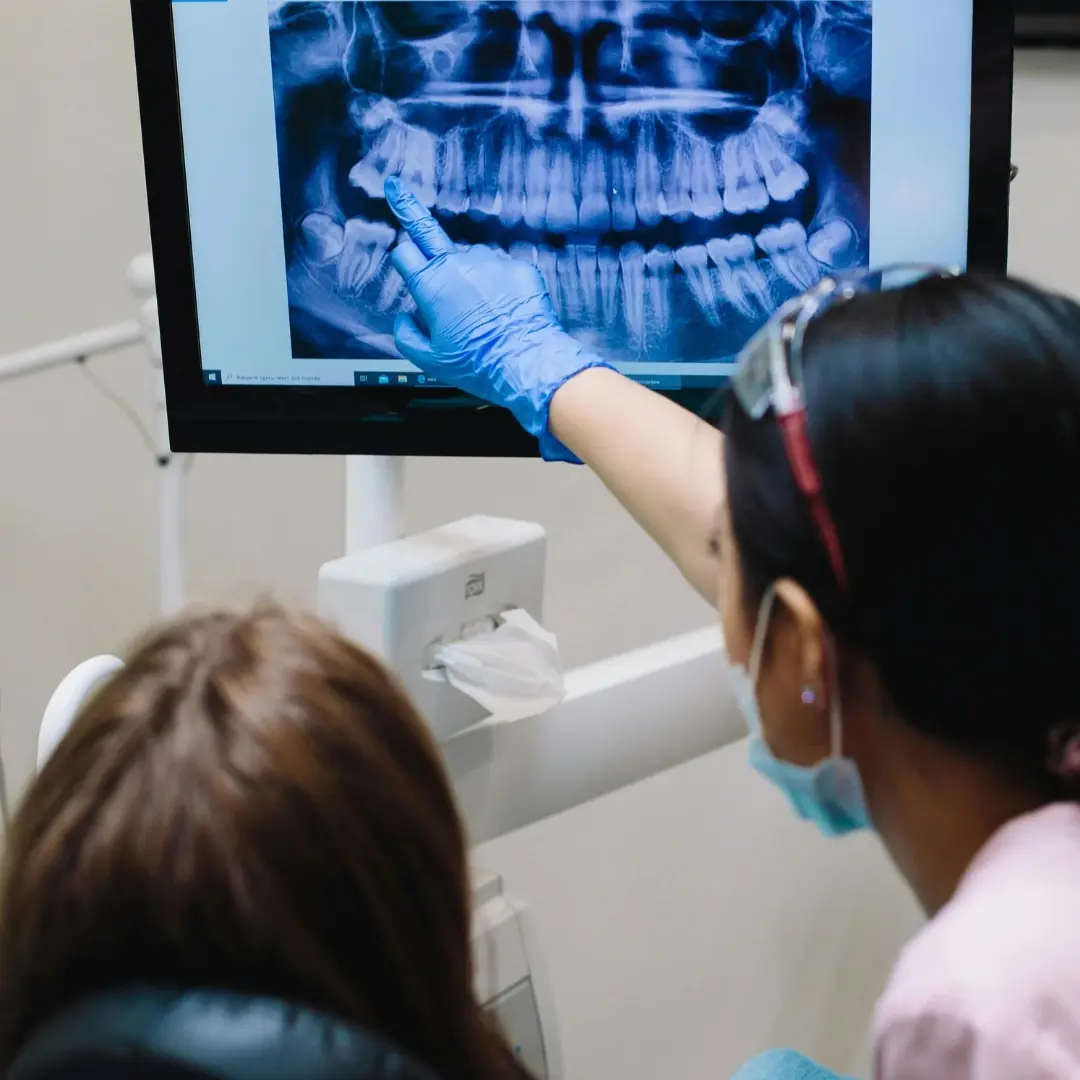
Of course, these can overlap. An X-ray and a few quick tests settle it in one visit.
What Happens If You Wait
Putting off treatment does not stop the infection; it just changes your options. As the infection grows, it eats away at the bone around the root, and the tooth becomes harder to save.
Here is the usual path when people wait too long:
- The pain stops, and you assume the problem resolved itself.
- The infection quietly spreads into the surrounding bone.
- An abscess forms, often with swelling and a return of severe pain.
- The tooth can no longer be saved and needs a tooth extraction.
- You then need to replace that tooth, often with a dental implant, to keep the neighboring teeth from shifting.
In rare cases, a dental infection spreads beyond the jaw and becomes a medical emergency. That is uncommon, but it is a real reason not to ride out a toothache for months.
What Treatment Actually Involves
A root canal takes one or two visits and feels much like getting a filling, because the area is fully numb the entire time. Most of the pain people associate with root canals comes from the infection itself, not the treatment that relieves it.
The results hold up well over time. One long-term study following teeth for up to 37 years found a 97% survival rate at the 10-year mark after root canal treatment.
That said, not every tooth needs one. Dr. Sandstrom will tell you honestly if a tooth can be watched instead of treated, and he will explain what he sees on the X-ray before anything gets scheduled.